Triangle Venture Capital Group
For more than 25 years we have been focusing on research
spin-offs
to create outstanding and highly innovative companies.
For more than 25 years we have been focusing on research
spin-offs
to create outstanding and highly innovative companies.
At Triangle, we don't make mass investments – we pick the needles in the haystack, and then we care for our companies.
We believe in highly skilled, visionary engineers and in entrepreneurs who are thrilled to be crossing borders to achieve.
We're different. If you are too, read on, and let's see if we can form a win-win partnership.
Triangle is one of the few European venture capital firms with an exclusive focus on investments in research spin-offs. Since its inception in 1997, Triangle has advised three fund generations (managing over €100 million): FirstGen, which started investing in 1999, Fund IV, with vintage year 2006, and the Open Sky Technologies Fund in collaboration with the European Space Agency (ESA), with vintage year 2010. The three fund generations have invested in 16 start-up companies with Triangle investing as lead investor in all portfolio companies and completing more than 100 transactions, including follow-on funding rounds and exits. Some €150 million has been committed to these companies, with funds from co-investors as well as Triangle-advised funds. We understand, however, that Venture Capital is not for all companies. Our passion for empowering entrepreneurs led us to start a crowdinvesting platform FunderNation which leverages on our VC background and combines it with the wisdom of the online community.
Read moreBuilding a new venture isn't exactly straightforward. And you don't have all the time in the world. If you are a first-time entrepreneur, your learning curve may be steep, considering (or worse, not considering!) many of the things that can happen to you. We help smooth out many of the bumps along the way, because not only are we entrepreneurs ourselves but we have also lived through all major and minor problems with our other portfolio companies many times before – in other words, we have 360-degree experience in those challenges which might seem insurmountable to you. Beware – we are your biggest supporter. We also encourage you to consider funding your company through our partner crowdinvesting platform FunderNation.
Read moreWe aren't civil servants. Nor do we function like a consulting company's old-boy network. We are entrepreneurs ourselves: successful industry opera-tors experienced in doing business in the various cultures in the Americas, Asia and Europe. Our independence commits us to building and growing successful companies and delivering superior returns to our investors. Gene-rating new jobs, unleashing innovations for a better world, and helping young people to grow is how we believe we can benefit society.
Read moreDiscover our crowdinvesting and business angel co-investing solutions on FunderNation.

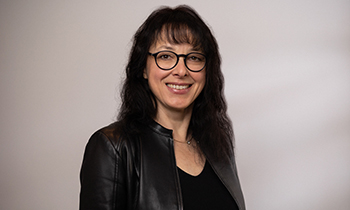
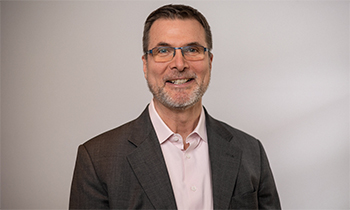
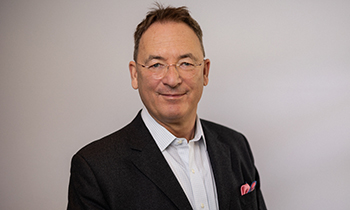
Our Investment Team reflects the global approach to developing early-stage portfolio companies at Triangle. Our own entrepreneurial tech experience in all the major business hot spots of the world is key to unlocking the full potential of entrepreneurs and up-and-coming entrepreneurs to turn their technology into great and successful products.
Our investment style is heavily influenced by the early venture capital pioneers – like them, we are entrepreneurs who work hard and work closely with the founders. We understand what the founders are doing because we have been there ourselves.